
North Laurel Previous Residents by Era
Tracing past residents works best as a chain of sources rather than a single lookup. Start from the current parcel and its latest recorded transfer. Then pick the record closest to the era you need. Deeds fix the recorded parties and the land's identity. Historical directories and census schedules add the household context. Maps and aerials test whether the street address or structure stayed continuous over time. The sources here reflect the actual local coverage in North Laurel. They do not form one complete resident roll.
| Evidence source | Years located | Where held | What it can establish |
|---|---|---|---|
| Howard deed and mortgage collection | 1850–1960 in the HCGS description; official series are older and ongoing | Clerk, MDLandRec, Archives, HCHS | Recorded transfers, mortgages, liens, legal descriptions |
| Polk’s Laurel directory | 1962 | Maryland State Archives original | Printed name and address context after volume inspection |
| HCHS social registers | 1892–1981 | HCGS and HCHS resource materials | Social-name context, not a universal roll |
| HCHS voter records | 1865–1940 | HCGS and HCHS resource materials | Historical registration context |
| HCHS newspapers | 1850–1890; Ellicott City Times 1870–1958 | Digital Maryland and HCHS | Notices, obituaries, property and community references |
| Federal census | Through 1950 under the release rule | NARA, Census, and library genealogy access | Household details and enumeration geography |
| Sanborn maps and county aerials | Sanborn 1885–1916; aerials 1943–2025 | LOC, HCHS, library, Howard GIS | Structure, road, and parcel continuity |
A current owner is a starting point. That name is not the answer to who lived in the house before. The parcel card may list a mailing address and sale history. Still, it names no past households. Match each person claim to a dated record. Keep owners, grantors, grantees, and occupants straight.
North Laurel Parcel Records Come First
Before chasing past residents, confirm the address. Check it in the USPS ZIP Lookup first. Then open the Howard County Interactive Map to confirm that a postal Laurel label actually points to the Howard County parcel you want. Write down the tax map, parcel, lot, subdivision, legal description, and SDAT account number. Those identifiers survive a changed street label far better than a current mailing address does.
The SDAT Real Property Data Search returns the current owner, situs and mailing fields, assessed value, sales history, exemptions, and record dates. You can search by street address, street name, account identifier, or map reference. Owner-name, town, neighborhood, subdivision, and ZIP searches are not supported. For a known street, drop directional prefixes and suffixes. If that fails, try the documented truncated street name with an asterisk.
North Laurel's older records may use the labels Laurel, Savage, Scaggsville, a rural route, or Laurel Factory. A clean postal match does not erase those names. Carry the parcel identifiers and legal description into the deed work, especially where the address began as a tract or lot rather than a street number.
Note: GIS and SDAT build a parcel trail, but neither source lists everyone who lived at an address.
North Laurel Previous Residents Through Deeds
Take the current owner and sale reference into Maryland Land Records. Open the recorded purchase document there. The Howard County clerk's research room works too. Online deed images require a free Maryland State Archives account. Courthouse terminals and the clerk's own books remain the fallback. Read the instrument itself rather than trusting an index line. Note the parties, date, consideration, legal description, and prior instrument reference. Note the tenancy or marital wording and any stated exceptions.
- Start with the confirmed parcel and note the current owner and most recent transfer reference from SDAT.
- Open the purchase deed in MDLandRec or at the clerk, then copy the legal description and the seller’s full printed name.
- Search that seller as a grantee to locate the earlier purchase, using the legal description or plat when the street address changes.
- Repeat the grantee-to-prior-transfer step, recording book and page, document number, dates, and any subdivision or lot reference.
- Stop at an unsupported connection and move to clerk books, archival series, HCHS material, or plats rather than inventing a countywide online cutoff.
- Grantor
- The party transferring an interest in land in a recorded document.
- Grantee
- The party receiving that interest, useful as the next name when stepping backward.
- Chain of title
- The sequence of recorded transfers for the same land, supported by its legal description and references.
- Legal description
- The lot, block, metes-and-bounds, or other land description that identifies property beyond a street label.
The Howard Circuit Court Clerk page names the local custodian for land records and related court files.
The clerk's office supplies records and copies on request. It does not run title searches or give legal advice.
North Laurel Address Records Beyond the Web
No single starting year covers all Howard County images in MDLandRec. Coverage varies with the document series. The Howard public page states no universal cutoff. The HCGS resource description covers deeds and mortgages. It places them from 1850 through 1960 in its research collection. The Archives guide lists Howard mortgage indexes from 1868 through 1873 plus other county series. Treat those dates as collection clues, not a promise of full online coverage.
When the online images stop, turn to the clerk research room. Original books, plats, Maryland State Archives series, and the HCHS archive also serve researchers. The current Howard courthouse opened in 2021. Even so, the local record story is a physical-and-digital split rather than one loss event. Older material can still demand a book or microfilm. An archive guide may help after the newer image route runs out.
Maryland's Howard judicial-records reference adds context on the county court and its public research channels.
Bring a complete citation from your last proven deed. Do this whenever you ask a custodian or archive for the next earlier record. A deed book and page number tells the clerk exactly what to pull. So does the instrument date. That small habit saves a round trip.
Note: Online image ranges vary by record series. A missing deed should be checked through a clerk or archive channel.
North Laurel Previous Residents and Map Checks
Deeds track who owned the land. Maps show what stood on it. The HCHS historic-house guide lists Sanborn coverage for 1885, 1889, 1892, 1896, 1902, 1909, and 1916. Maps from 1927 through 1948 are flagged there as copyright restricted. A single Sanborn sheet can reveal a building footprint and its construction material. It also shows the number of stories, the building’s use, and the surrounding lots. What it cannot do is name the occupants inside. For that, a North Laurel residents directory, census roll, or deed chain remains essential.
Howard GIS layers aerial imagery from 1943 through 2025. Comparing roof lines, road patterns, parcel shape, and nearby development helps you judge an older address. It may still refer to the same structure. Aerial evidence earns its keep when a deed shifts to a subdivision lot from a rural description. It supports address continuity. It does not replace the recorded chain. Anchor every previous-residents claim in the recorder’s own documents.
HCHS’s historic-house research guide ties together the map, newspaper, directory, census, Society, and recorder routes. A past-residents project in North Laurel draws on all of them. HCHS’s research-service page describes the house-history inquiry route for North Laurel properties.
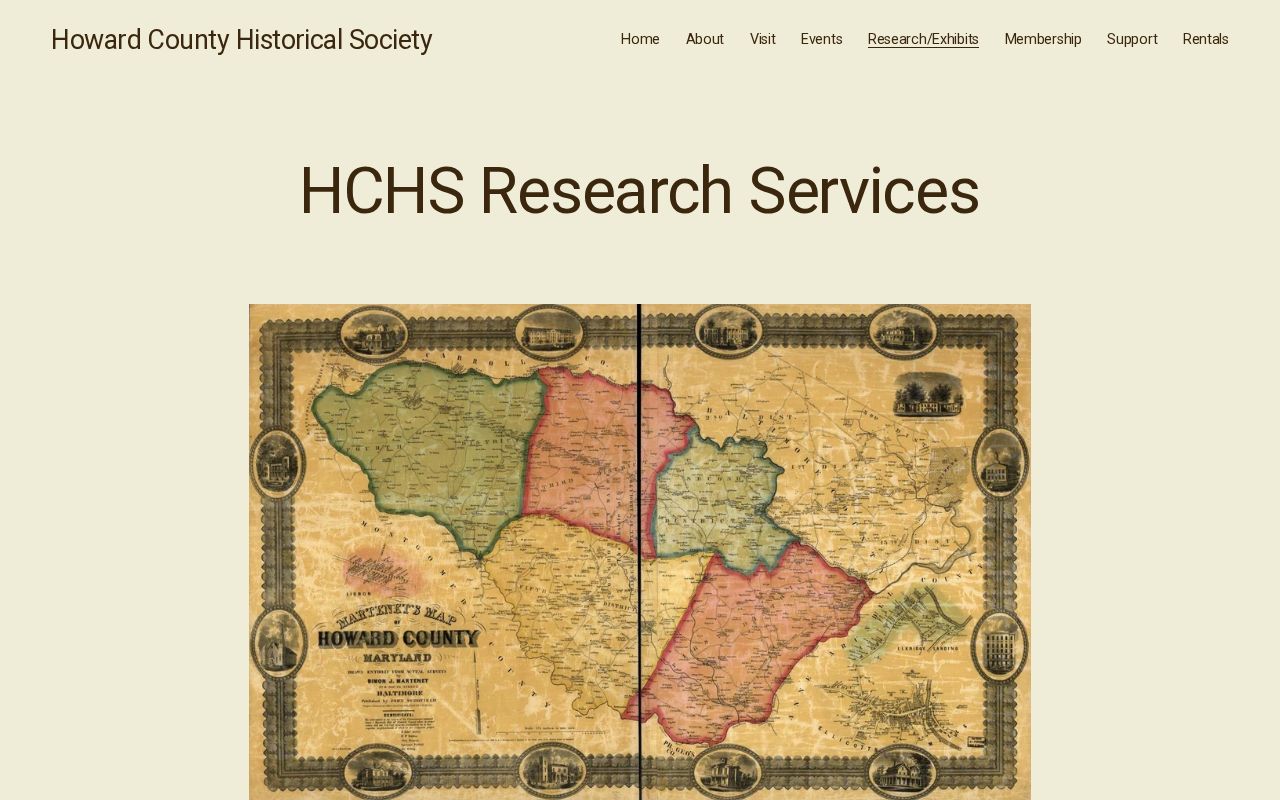
HCHS runs a basic house, property, or business search for researchers. The first half hour is free for nonmembers. After that, work costs $25 per hour with copies extra, and the Society states a six-week reply expectation. That is the practical route for a North Laurel house-history request when the residents directory trail runs cold.
North Laurel Previous Residents in Household Sources
The household line runs beside the deed chain. Polk’s Laurel directory survives as a 1962 Archives holding. HCHS resource descriptions list social registers covering 1892 through 1981. Voter records there cover 1865 through 1940. Scope varies widely across these sources. An owner was not always the occupant. The residents directory may list a business address rather than a home. Collection details and entry limits are laid out in the North Laurel historical city directory resource. Use it for the collection specifics, never as a substitute for a parcel chain.
- Choose a directory or historical roll whose date sits close to the proven transfer or address period.
- Copy the printed name, address, place label, and volume citation without expanding abbreviations from memory.
- Pair it with the nearest released census schedule through 1950, keeping the census enumeration date separate.
- Search newspapers for a road, church, farm, surname, or business, then verify the original issue and page.
- Return to the legal description when the household source uses Laurel, Savage, Scaggsville, or a rural route instead of a current address.
Howard County Library System locations include the Miller Branch and Historical Center, the area’s local research destination. Savage Branch also serves the North Laurel–Savage area.
When a city directory, microfilm run, or historical database has no remote search, library and archive access becomes the practical fallback. A visit to the branch or the Historical Center puts the street directory and its indexes in front of you directly.
Note: A directory or historical roll can supply context, but it does not prove that every person at an address appears in it.
North Laurel Heirs in Probate Records
An obituary can name a spouse, children, a final residence, or a funeral home. A probate file can identify heirs, a fiduciary, debts, and a last address. Together those facts reconnect a family line after the property record ends. Neither proves that every named relative lived at the parcel. Confirm estate details through the Register of Wills. Use the proper Howard County court file before treating an heir as a resident.
Digital Maryland’s HCHS newspapers hold fragile issues from 1850 through 1890. Ellicott City Times material runs from 1870 through 1958. Search a surname alongside the address vocabulary of the period. Then weigh the notice against a census, deed, or probate citation. Earlier North Laurel research may demand an Anne Arundel or Howard District context. Howard County formed in 1851. The residents directory and newspaper trail often ends there, at the county line of that year.
Lawful use. North Laurel previous residents research is appropriate for family and house history or estate questions. Do not use personal details to stalk, harass, or harm a living person.
North Laurel Current Records and Earlier Trails
Once a prior owner or address is documented, keep current address work separate. Historical household research stands on its own. The North Laurel street directory lookup is the focused route. It covers present address, parcel, GIS, and deed-record steps. Do not use it to infer every earlier household from the current parcel card. Past residents of North Laurel deserve their own dated evidence.
Previous-residents research holds up when each link is dated, cited, and limited to what its record actually shows. A record gap is useful information. It tells you to shift from the online index to a clerk book, map, newspaper, archive series, or library collection. So do not push an unsupported name across decades. That discipline keeps a street directory claim honest.
Note: Preserving the legal description, source date, and page reference makes an address trail easier to check. Geographic labels change over time.